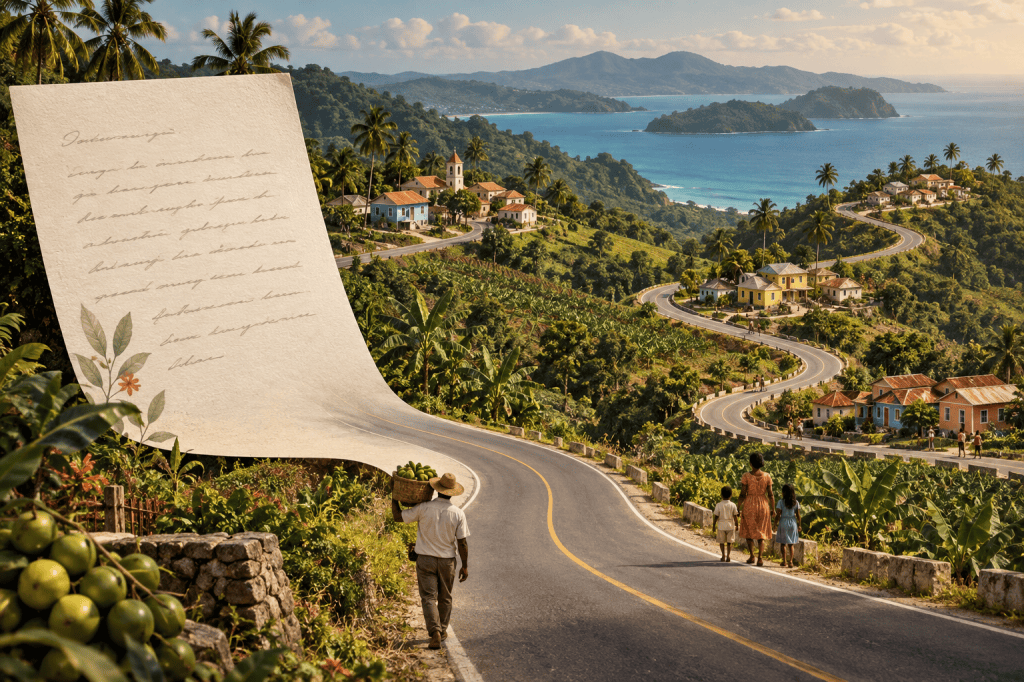
“How can you own land if the title doesn’t show exactly where it is?”
It is the question I hear most from European and American buyers, and it is a fair one. The answer is simple: in the Dominican Republic, ownership historically came before geometry. Understanding why will make you a safer buyer anywhere in the frontier-market world.
Who owns it is not always where it is
A Carta Constancia confirms who owns the land. It does not always confirm where every meter of that land sits yet. In much of Europe and North America, the registry is built around surveyed parcels, so ownership and location are one record. In the Dominican Republic, rights were recognized first, and the technical process of fixing them precisely on a map came later and unevenly. For this legal system that is normal. It is the product of history, not of carelessness.
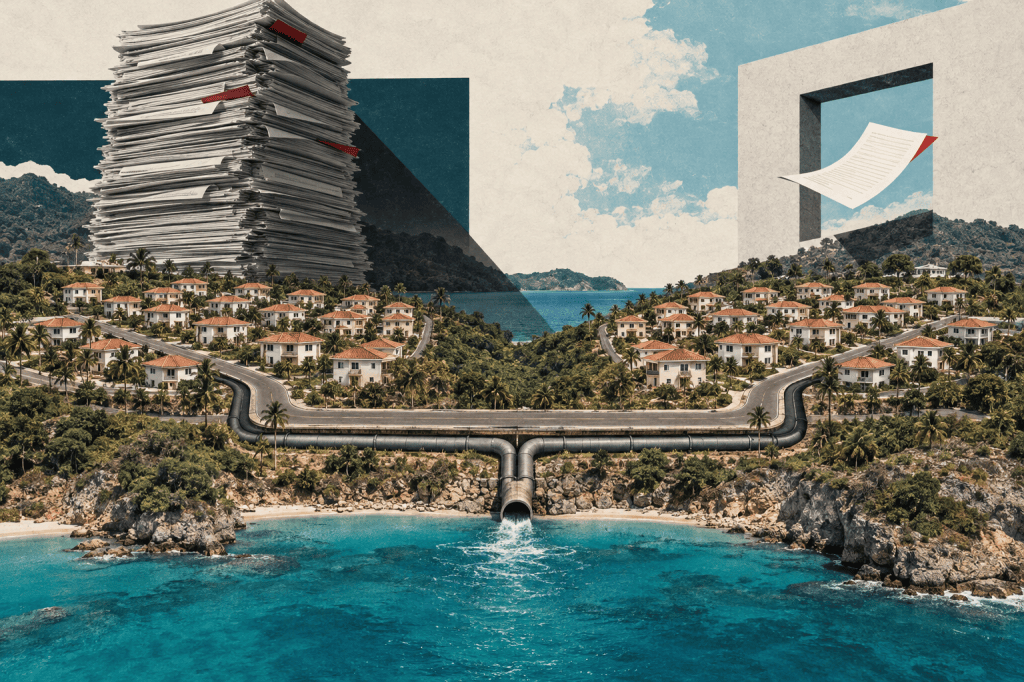
The modern framework is Law 108-05 on real estate registration, which regulates the sanitation (saneamiento) and registration of property rights. The tool that closes the gap I am describing is the deslinde, which, in the words of Dominican practitioners, “delimits the parcel technically and legally”. It is the basis for operating securely before the Registry of Titles. When plans are not surveyed or are inconsistent, the risk of disputes and registration delays goes up (Pellerano & Herrera, due diligence in property purchases).
The invisible work
What most foreign buyers do not see is the real work. Serious developers here are not just buying land. They are cleaning it:
- Consolidating heirs. Land is often held by large families across generations, and every heir has to be resolved.
- Clarifying boundaries. Agreeing on where the parcel starts and ends with every neighbor.
- Commissioning surveys. Producing the technical plans that make the deslinde possible.
- Fixing registry records. Correcting errors in names, areas and references.
- Removing overlaps. Resolving claims where two registered parcels cover the same ground.
That work does not show up on Instagram. It takes years. But it is where the risk disappears and the value is created. It is not just land. It is land after years of legal and technical work that made it safe, buildable and investable. The price difference between raw land and cleaned land is not a markup. It is the payment for work and risk that someone else absorbed before you arrived.
What a buyer should check
Dominican law firms recommend a due-diligence checklist that is worth knowing even if you rely on advisers (Pellerano & Herrera):
- Obtain the certificación del estado jurídico del inmueble from the Registry of Titles. It identifies the registered owner and lists mortgages, attachments and easements, and it should be refreshed shortly before closing.
- Cross-check it with the owner’s title and the creditors’ registry.
- Confirm the deslinde, the cadastral file and approved plans, and that the cadastral designation matches the physical location with no overlaps.
- Verify the seller’s authority: corporate documents, resolutions and powers of attorney, apostilled where foreign.
- Inspect the property in person for boundaries, access, easements and occupants.
- Trace the chain of title, at least the most recent transfers.
- Budget for costs. The property transfer tax is generally 3% of value.
Notice that items 1 through 3 are about exactly the gap this post started with. A buyer who skips them is not buying land. They are buying an argument.
Why this matters beyond the paperwork
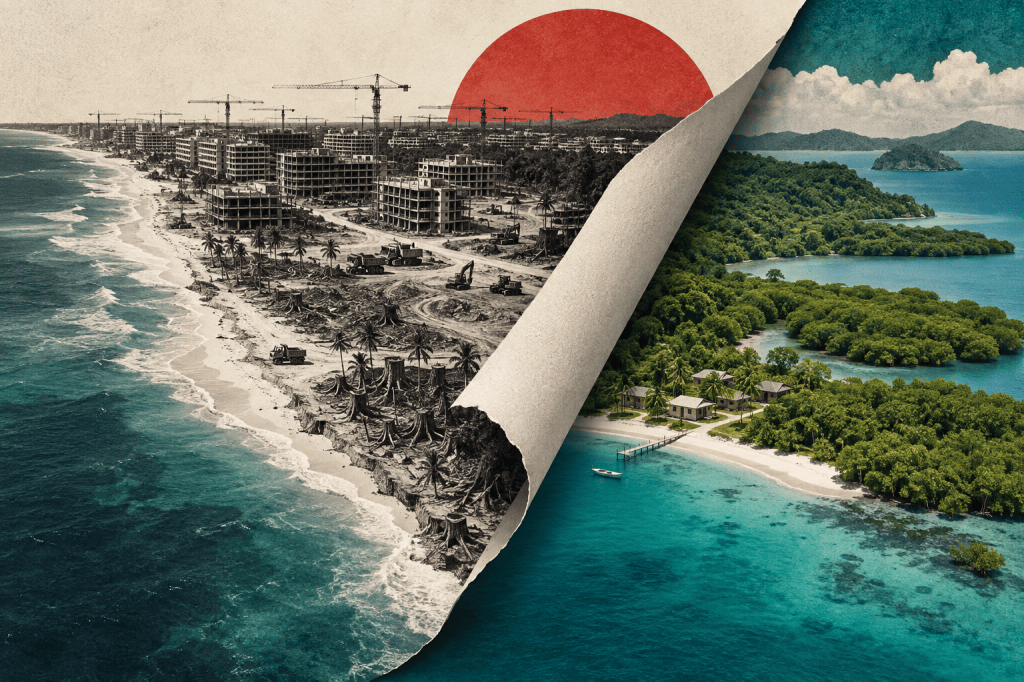
The same ambiguity is what land pirates exploit. Where boundaries are loose and records are incomplete, a fraudster can walk onto a parcel and claim it. I wrote about what that looks like in We Don’t Negotiate With Land Pirates. Clean title and clean boundaries are the best protection there is, which is why we spend years on them before we sell a single plot.
If you are buying in the Dominican Republic, ask who did this work before you arrived, and have independent lawyers verify it. At Samana Legal this is the daily job.
Frontier markets don’t reward simplicity. They reward understanding.





Leave a Reply