(For foreigners)
Let me say the uncomfortable thing first: paradise should not be cheap.
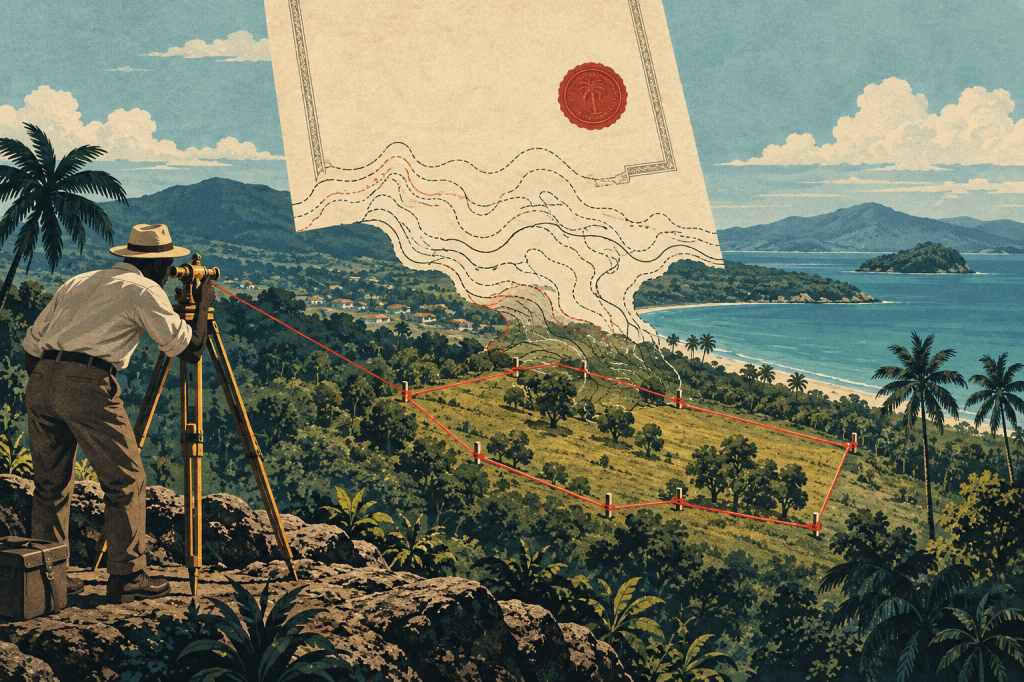
A house in the jungle, ten minutes from an empty beach, whales in the bay in winter, mangoes falling off the tree in your garden. That is not a normal life. It is one of the rarest things a person can have on this planet. And rare things are supposed to cost something. Not only money. Effort, skill, contribution, a reason you deserve to be there.
I live and build on the Samaná Peninsula. I hear the complaints daily: things are getting expensive, rent is up, the supermarket is not what it was. Usually from someone who arrived three years ago. My honest answer is that if paradise feels cheap to you, you are probably not paying with the right currency.
1. The earned life
Everywhere else in life we understand this. You earn the corner office. You earn the house with the view. Nobody expects a view of the ocean for the price of a studio in the suburbs, and if they did, we would call it entitlement.
Somehow, when the ocean is in a poorer country, the rules change. The same view, at a fifth of the price, and it is called “a smart move.” I call it what it is: arbitrage on someone else’s poverty.
2. The purchasing power trick
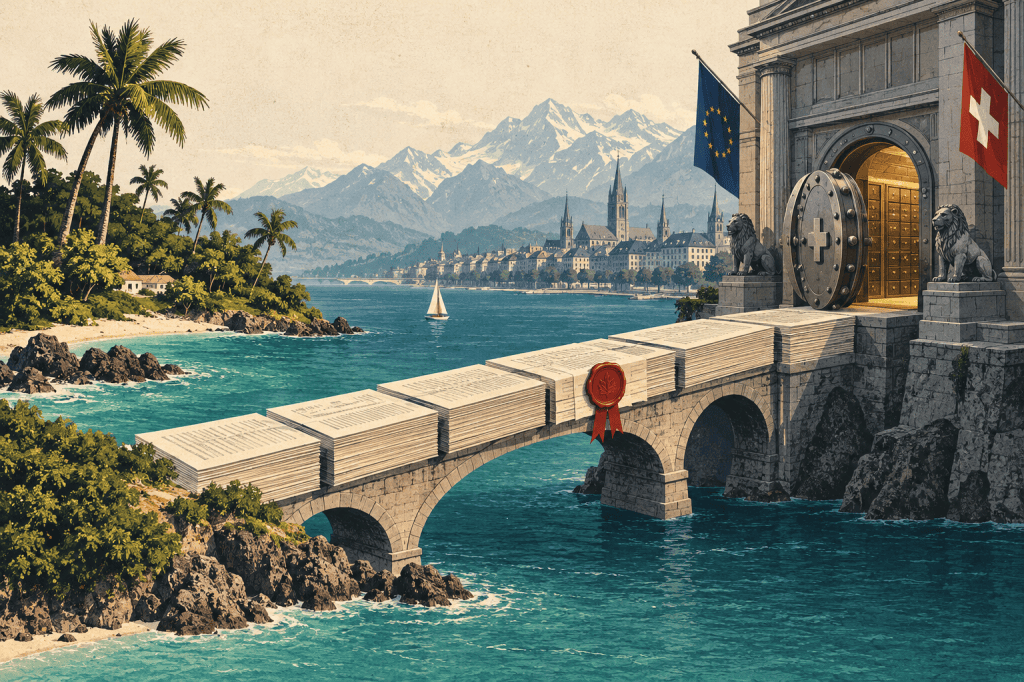
Here is the mechanism, because it matters. A person earns in dollars or euros—walking rich people’s dogs back home, doing “social media” for foreign clients, or designing a logo a day from a laptop by the pool. Or they receive a pension, a government benefit, a family transfer, a trust payout. Those currencies buy several times more in the Dominican Republic than at home. An income that barely covers an ordinary life abroad becomes a comfortable life here: the villa, the housekeeper, the driver, dinner out every night. You do not need to be rich where you come from. You just need to get paid in a stronger currency than the people around you.
Nothing wrong with that on its own. Remote work and retirement abroad are legitimate. The problem starts when the whole life is funded from elsewhere and contributes nothing here. Think of two people with the same income. One employs ten Dominicans, pays taxes, trains a team, buys from local suppliers, starts something that will outlive him. The other does a little freelance work, or lives on a transfer he did not earn, and spends his days by the pool. Both are “expats.” Only one is a resident in the full sense of the word.
3. Luck is not a credential
I am careful here, because I know the answer will be that I am being harsh. I am not talking about people who had an accident, who are ill, who are genuinely in need. Let us not go there. I am talking about able people whose main qualification for a paradise life is where they were born and which passport they hold.
Luck of birth is not an achievement. A family who can send monthly support, a home government that pays out, an old success you are still living off: these are tailwinds. Fine. But tailwinds are not a reason to coast while the people around you, who work twice as hard for a tenth of the money, are priced out of their own coast.
4. Who pays for the discount
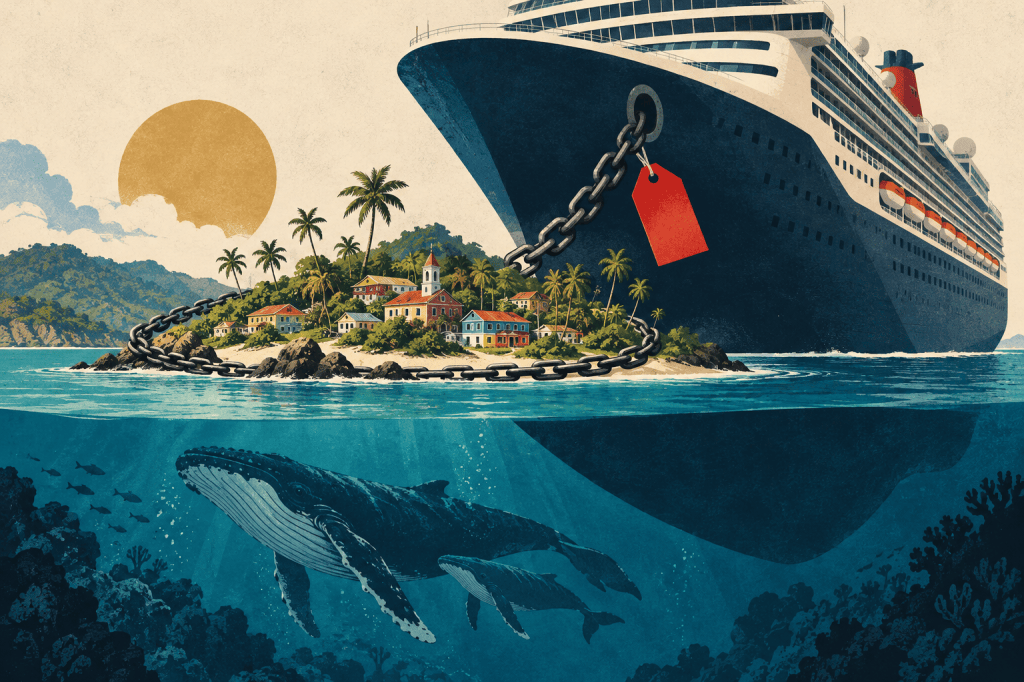
This is the part that gets forgotten. The discount on paradise is not free. Somebody pays it. It is paid by the Dominican family that can no longer afford rent in the town where their grandparents lived. By the waiter who commutes an hour each way because the village now belongs to rentals. By the young person who sees a foreigner with no visible job living better than their own professors.
Prices rise because a layer of buyers arrives with stronger money. That is not a conspiracy. It is arithmetic. And it is the reason I have little patience for newcomers who complain that things are getting expensive. You are the reason they are getting expensive. The locals did not raise the price of paradise. Your arrival did.
5. What contribution actually looks like
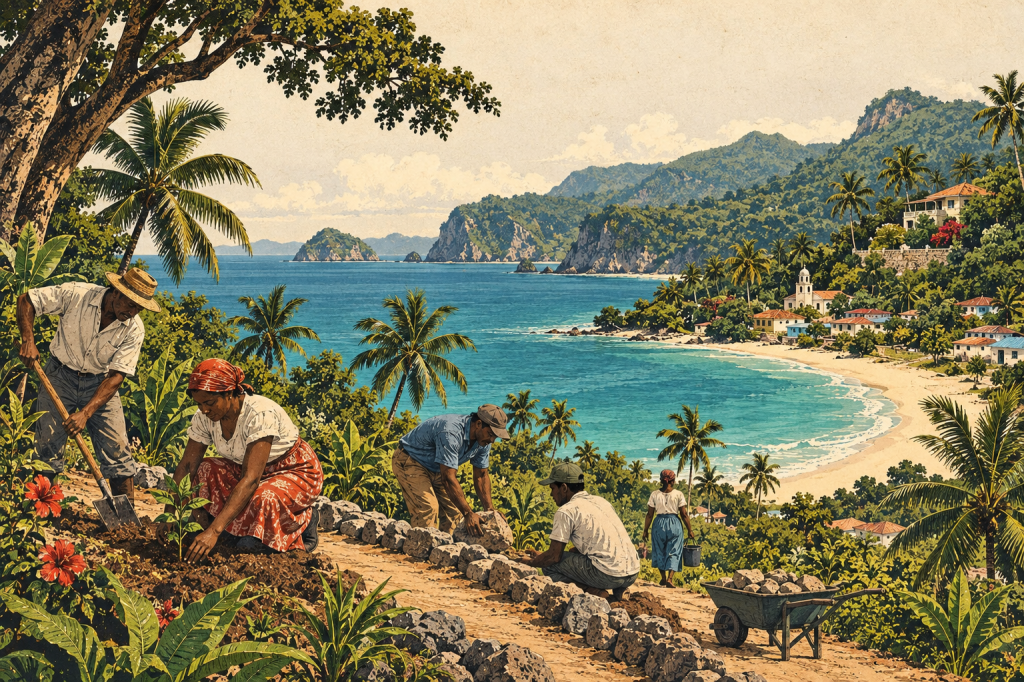
I am not asking anyone to save the country. I am asking for a basic exchange: you get the beach, the jungle and the climate, and you give something back that is real.
- Build something. A business, a farm, a school, a restaurant. Create jobs that pay a fair wage.
- Pay your way. Taxes, social security for the people who work for you, proper contracts. Not cash in an envelope.
- Share what you know. If you spent twenty years in engineering, medicine or marketing, teach it. Skills last longer than money.
- Buy local and learn the language. Join the community instead of living above it.
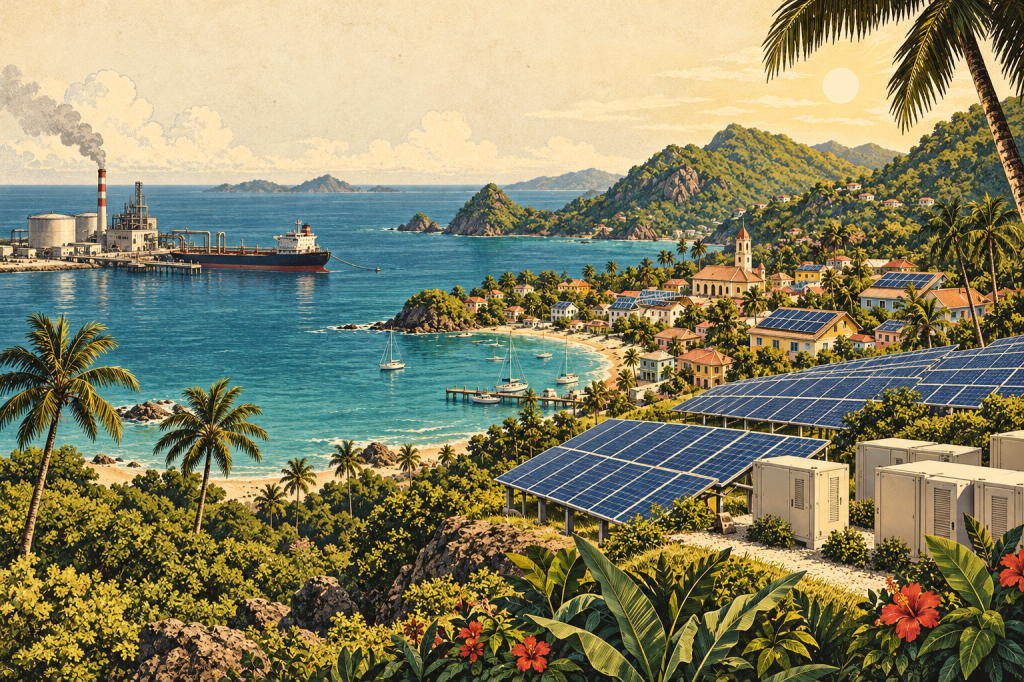
- Respect the land. Paradise stays paradise only if it is protected, not paved.
6. The fair objection
Someone will say that spending money here is already a contribution. Tourists and retirees support the economy, the housekeeper has a job. That is partly true, and I do not dismiss it. But spending is the minimum, not the standard. A guest spends. A citizen builds. If the only thing you bring is consumption, you are a very comfortable tourist who forgot to leave.
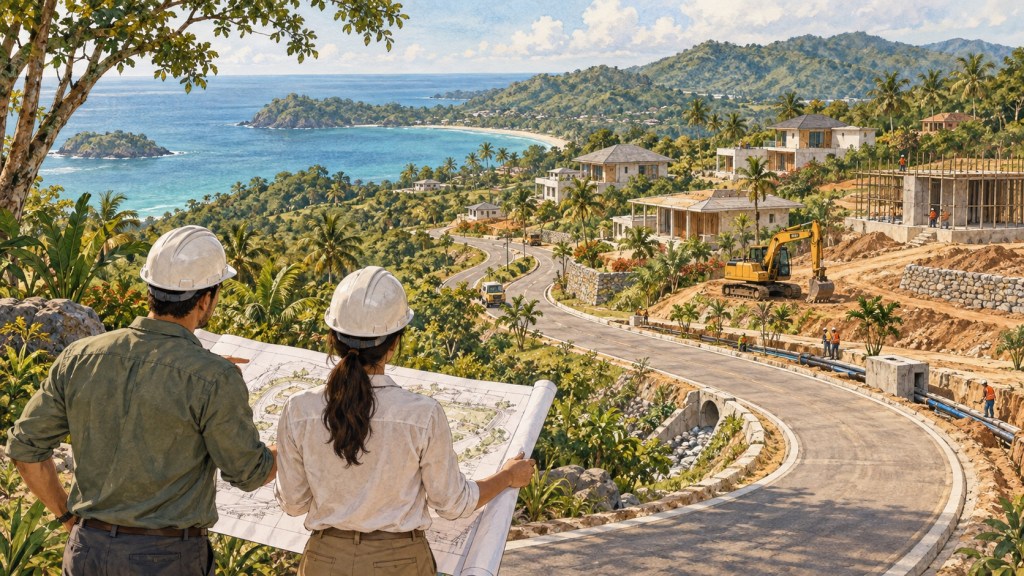
Someone else will say that I benefit from foreign buyers myself, since I sell real estate. Yes, and that is exactly why I hold myself to the same test. I came to build, to employ people here, and to bring capital that creates something that was not there. I would rather welcome a thousand people who build than ten thousand who just consume.
7. Earn it, or make room
My message is simple. If you came to this paradise to work hard, to contribute, to be part of its future, you are welcome, and I will help you. If you came because a weak local economy let you live like a king while doing almost nothing, do not be surprised when the people who live here stop clapping.
Paradise is not a discount. It is a privilege. Work for it, contribute to it, or leave room for someone who will.



Leave a Reply