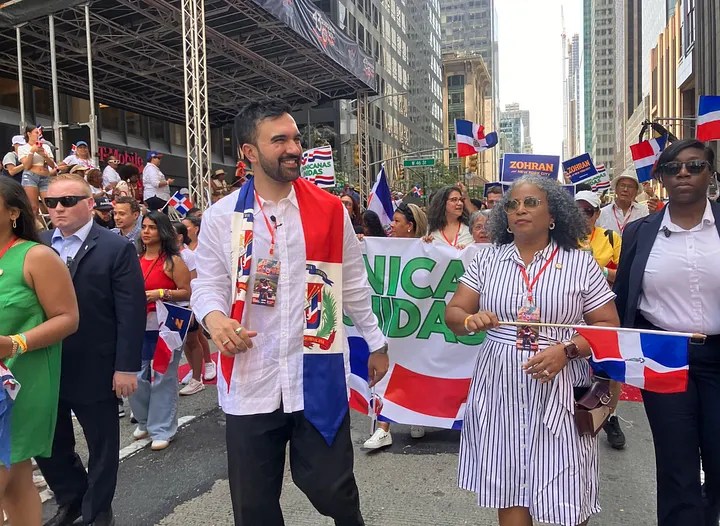
New York has just made history again — electing Zohran Mamdani as its 111th mayor: the city’s first Muslim and South Asian mayor, and its youngest in a century.
His platform is laser-focused on affordability — rent freezes, a push toward a $30 minimum wage, and cheaper (even free) buses. That’s significant for New York itself. But because a big share of the Dominican Republic’s growth story lives in New York — quite literally in the pockets of Dominican New Yorkers.
The Dominican Footprint in New York Is Enormous — and Leading the Field
The Dominican-born population is widely reported as the largest single foreign-born immigrant group in NYC — ahead of the Chinese-born community. In New York City: ~ 702,000 Dominicans, Across New York State: ~ 849,000, In the United States overall: ~ 2.4 million. Dominicans remain one of the most significant immigrant communities in NYC, with deep roots in Northern Manhattan and the Bronx (Washington Heights, Inwood, Fordham, Highbridge).
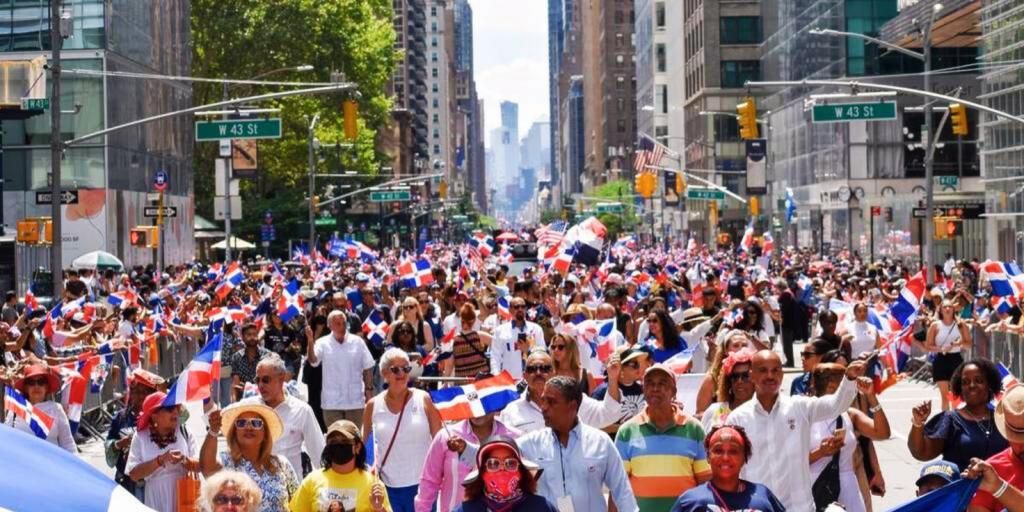
How Dominican Neighborhoods Voted
While the U.S. doesn’t track ethnicity-by-ballot, precinct maps and local coverage reveal a clear pattern. Mamdani’s coalition performed strongest in renter-heavy, transit-reliant, immigrant neighborhoods — including Washington Heights, Inwood, and large parts of the Bronx where Dominican communities dominate. Put simply: Dominican-dense precincts likely played a decisive role in his victory.
Why This Matters for the Dominican Economy: Remittances
In 2024, the Dominican Republic received US $10.76 billion in remittances — a record high. That’s about 9% of the nation’s GDP, and a crucial stabilizer for consumption, housing, small-business cash flow, and foreign-exchange reserves.
The United States accounts for about 85% of all remittances to the DR — and New York is the diaspora’s capital. When working-class Dominican families in New York have more disposable income, the entire Dominican economy feels it.
How Mamdani’s Agenda Could Influence Remittance Flows
Housing affordability — Rent freezes and tenant protections free up income that can be sent home.
Higher wage floor — A $30 minimum wage boosts working-class earnings and stabilizes remittance flows.
Cheaper public transit — Lower commuting costs mean more disposable income for Dominican families.
Immigrant-friendly city services — IDNYC and outreach programs reduce barriers and remittance fees, strengthening diaspora ties.
Why Politics in New York Matters in Santo Domingo
Voter turnout in this election surpassed 2 million — the highest since 1969 — driven largely by immigrant and first-generation communities.
If Mamdani’s administration delivers on its affordability agenda, New York’s Dominican households could see a small but meaningful increase in disposable income. Multiplied by hundreds of thousands of senders, that cushion could become billions of dollars in remittance inflows for the Dominican Republic.
In short:
What happens in City Hall can quietly shape the economic future of an entire Caribbean nation.
A Note from the CEO of Samana Group
The next chapter of the New York–Dominican Republic relationship will depend less on embassies and more on everyday economics: wages, rents, and bus fares. When those improve in the Bronx or Washington Heights, prosperity flows all the way to Santiago and Santo Domingo. As a company deeply rooted in both the Dominican Republic and the global economy, we at Samana Group watch these trends closely.
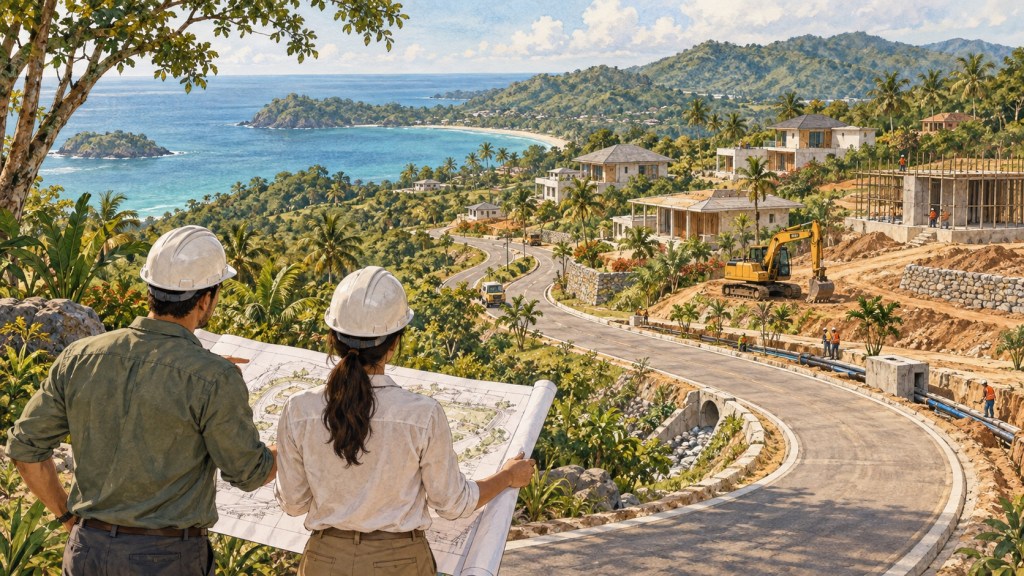
Remittances don’t just support families — they shape real estate demand, influence land development, and stabilize property markets across the country. A steady inflow of diaspora capital often finds its way into homebuilding, small investments, and community projects — especially in regions like Samaná, where many Dominicans dream of owning a piece of their homeland.
Mamdani’s policies could bring a short-term boost in disposable income and optimism among the Dominican community abroad.
But we must also stay alert: affordability measures and wage shifts in New York can change household budgets — and by extension, the investment patterns we see here at home.
Still, one thing is certain: the stronger and more secure Dominican families in New York feel, the stronger our economy becomes.
That bond — between two shores of the same story — will continue to define the Dominican Republic’s future prosperity.





Leave a Reply